Activities & Adventures
Canada’s vast geography creates adventure opportunities found nowhere else on Earth. From the permafrost of the Arctic Circle to the temperate rainforests of the Pacific coast, from the granite peaks of the Rockies to the working cattle ranches of Alberta, this country offers experiences that challenge, inspire, and transform travelers of all abilities.
The scale of Canadian wilderness demands respect and preparation. Understanding the fundamental differences between activities—whether it’s the logistics of accessing remote northern communities, the technical skills required for ocean paddling, or the physical demands of multi-day mountain treks—is essential for safe and rewarding experiences. The country’s adventure tourism industry has evolved to accommodate everyone from extreme athletes to families with young children and seniors seeking accessible nature encounters.
This resource explores the foundational knowledge needed to approach Canada’s signature adventure activities with confidence. Whether you’re drawn to the silence of a polar summer night, the rush of alpine skiing, or the cultural immersion of a working ranch, understanding what each experience entails will help you choose the right adventure and prepare appropriately.
Arctic and Northern Frontier Expeditions
Canada’s northern territories represent one of the planet’s last true wilderness frontiers. Traveling above the 60th parallel requires fundamentally different planning than visiting southern tourist destinations, with considerations ranging from supply chain logistics to cultural protocols in Indigenous communities.
Understanding Northern Wilderness Travel
Northern expeditions operate within constraints unfamiliar to most travelers. The concept of fly-in access dominates—many destinations have no road connections, requiring chartered aircraft that can cost several thousand dollars per flight. Summer travel windows are surprisingly short, typically running from June through August when the midnight sun provides nearly 24-hour daylight.
Budgeting for northern travel requires accounting for significant price premiums. A simple grocery item might cost three times its southern price due to transportation costs. Accommodations are limited and book months in advance, particularly during peak aurora viewing season. However, these expeditions offer unparalleled access to pristine ecosystems and wildlife viewing opportunities, from polar bears along Hudson Bay to caribou migrations across the tundra.
Understanding dry communities—settlements where alcohol is restricted or prohibited—is essential for respectful travel. These policies reflect community decisions about wellness and should be researched before departure. Violating these restrictions carries serious legal and social consequences.
Indigenous Culture and Aurora Experiences
Hiring Inuit guides transforms a northern trip from sightseeing to genuine cultural education. These guides provide not just navigation and safety expertise, but interpretations of the landscape that reflect thousands of years of accumulated knowledge. They can identify edible plants, read weather patterns in cloud formations, and explain the ecological relationships that sustain Arctic wildlife.
The northern lights appear most reliably in the auroral oval, a ring-shaped zone around the magnetic north pole. Canadian destinations like Yellowknife, Churchill, and Whitehorse sit directly beneath this zone. Maximizing viewing chances requires understanding the Kp index—a scale measuring geomagnetic activity—and planning trips during the darker months from September through March. Successful aurora photography demands tripods, manual camera controls, and patience to wait through sometimes hours of stationary observation in temperatures that can reach -40°C.
Purchasing northern art directly from artists supports local economies and carries cultural significance. Inuit sculpture, prints, and textile work represent living artistic traditions. Reputable galleries provide certificates of authenticity and artist biographies, ensuring your purchase supports the creator rather than intermediaries.
Winter Mountain Adventures and Alpine Sports
Canada’s mountain ranges offer some of North America’s most extensive ski terrain, with resorts ranging from family-friendly learning hills to extreme backcountry operations. The country’s continental climate produces legendary powder conditions, but also temperature extremes that require specialized preparation.
Planning Your Ski Experience
The decision between renting versus bringing gear depends on travel logistics and skill level. Flying with ski equipment incurs airline fees typically ranging from $50-100 each way, but ensures equipment familiarity. Rental operations at major resorts now offer premium demo equipment that lets advanced skiers test high-performance gear, while beginners benefit from properly fitted equipment without the upfront investment.
Family ski trips require careful resort selection based on learning progression. The best family mountains feature segregated beginner zones away from high-speed traffic, multiple terrain progression options, and ski school programs designed for different age groups. Booking ski school in advance is essential—popular holiday periods fill weeks ahead. Many resorts offer multi-day lesson packages that reduce per-day costs while providing instruction continuity.
Optimizing lift ticket costs involves several strategies:
- Purchasing online in advance typically saves 10-20% compared to window prices
- Multi-day tickets reduce the per-day rate significantly
- Midweek skiing costs substantially less than weekends
- Season passes pay for themselves after roughly 7-10 days of skiing
Extreme Cold Preparation
Skiing in temperatures below -20°C presents hazards beyond simple discomfort. Frostbite can develop on exposed skin within minutes in these conditions. Proper layering uses a three-system approach: moisture-wicking base layers, insulating mid-layers, and windproof outer shells. Extremities require particular attention—mittens provide better warmth than gloves, while balaclavas protect facial skin better than scarves.
Dressing children for extreme cold requires additional vigilance. Kids generate less body heat than adults and often won’t communicate discomfort until problems develop. Frequent warming breaks, extra layers compared to adults, and understanding trail ratings to avoid runs beyond their skill level all prevent both cold injuries and the learning trauma that ends ski careers before they start.
The après-ski culture provides essential social warmth after cold days on the mountain. Canadian ski towns have developed distinct personalities—from Whistler’s international village atmosphere to the Québécois character of Mont-Tremblant. Finding these gathering spots helps travelers connect with local ski culture and other enthusiasts.
Coastal and Wilderness Paddling
The transition from lake paddling to ocean environments represents one of the most significant skill jumps in paddle sports. Inland paddlers often underestimate how profoundly different coastal conditions are—tides, currents, marine traffic, and cold-water immersion risks create hazards absent from most lake environments.
Understanding tidal dynamics is non-negotiable for safe coastal paddling. Tides along British Columbia’s coast can exceed 4 meters, creating powerful currents in narrow passages. A channel that’s calmly paddleable at slack tide becomes dangerously turbulent during peak flow. Marine charts and tide tables become essential navigation tools rather than optional references.
Vessel selection matters enormously. Sea kayaks feature sealed bulkheads, rudders or skegs for tracking in wind, and deck rigging for safety equipment. Their longer waterlines and narrower beams make them faster and more efficient than recreational lake kayaks but less stable initially. Touring kayaks offer a middle ground for those building ocean skills.
The Pacific’s water temperature rarely exceeds 12°C, creating hypothermia risk within minutes of immersion. Wetsuits or drysuits aren’t optional equipment for ocean paddling—they’re survival gear. Self-rescue skills practiced in controlled conditions become life-saving capabilities when conditions deteriorate unexpectedly. Paddle float rescues, wet exits, and re-entry techniques should be automatic before venturing beyond protected waters.
Marine traffic presents collision risks unfamiliar to lake paddlers. Commercial shipping lanes, fishing vessels, and recreational boats all operate in coastal waters. Understanding right-of-way rules, carrying proper signaling devices, and maintaining awareness of vessel traffic prevents dangerous encounters. Kayakers are nearly invisible to large vessels and must assume responsibility for their own safety.
Multi-Day Backcountry Expeditions
Extended wilderness travel in Canadian backcountry demands both physical preparedness and logistical sophistication. Unlike day hikes where errors simply mean discomfort, multi-day trek mistakes can create dangerous situations far from assistance.
Hut-to-Hut Hiking Systems
Alpine hut networks, particularly in the Rockies and Selkirks, provide wilderness access without the weight of camping gear. However, hut-to-hut hiking requires careful planning. Most backcountry huts operate on reservation systems during peak season, and popular weekends book out months ahead. Daily distances between huts aren’t negotiable—you must reach the next hut, regardless of weather or fatigue.
Fitness requirements are significant. Typical hut-to-hut routes cover 10-15 kilometers daily with substantial elevation gain, often carrying 12-15 kilogram packs. Training should include loaded hiking on terrain similar to your planned route. Winter approaches to huts add complexity, often requiring avalanche safety training and specialized equipment like skis or snowshoes.
Hut etiquette reflects the shared nature of these spaces:
- Arrive with all food pre-planned (huts don’t provide meals)
- Manage waste meticulously (pack out everything except human waste in designated facilities)
- Respect quiet hours and shared sleeping spaces
- Leave huts cleaner than you found them
Challenging Coastal Trails
The West Coast Trail represents Canada’s most demanding maintained hiking route. This 75-kilometer trek along Vancouver Island’s southwestern coast combines technical challenges found nowhere else: tidal shelf navigation requiring precise timing, fixed ladder systems ascending 20+ meters of vertical terrain, and creek crossings via cable cars and suspension bridges.
Footwear selection can determine trip success. The trail’s notorious mud sections destroy light hikers, while overly rigid boots cause blisters over the distance. Many experienced trekkers choose waterproof hiking boots with aggressive tread and ankle support, accepting they’ll eventually become saturated. Some carry lightweight camp shoes for evening relief.
Pack weight management becomes critical over this distance. Experienced backpackers target base weights under 10 kilograms before food and water. Every item earns its place through multi-use functionality. Food planning balances caloric density against palatability—dehydrated meals save weight but require fuel for preparation.
Transportation to trailheads for trails like the West Coast Trail involves complex logistics. Access requires ferry bookings, shuttle reservations, and often mandatory orientation sessions. These systems exist to manage capacity and ensure hikers understand the commitment involved. Trail permits operate on quota systems and must be secured well in advance.
Adventure Tourism for All Abilities
Canadian adventure tourism increasingly recognizes that mobility limitations shouldn’t exclude people from nature experiences. Accessible adventure options have expanded significantly, moving beyond token offerings to genuine wilderness encounters adapted for diverse abilities.
Specialized mobility equipment rentals now serve many tourism regions. All-terrain wheelchairs with large, knobby tires access trails impossible for standard wheelchairs. Adaptive ski equipment allows people with paraplegia to experience downhill skiing through sit-skis and trained guides. Hand-cycle attachments convert manual wheelchairs for longer-distance touring.
Boat tours provide excellent wildlife viewing with minimal physical demands. Many operators have adapted vessels with wheelchair-accessible loading systems and stabilized viewing platforms. Whale watching, glacier tours, and coastal cruising all offer world-class experiences without requiring physical exertion. Researching operator accessibility credentials ensures vessels meet actual needs rather than just marketing claims.
Scenic train routes like the Rocky Mountaineer or VIA Rail’s Canadian combine comfort with spectacular wilderness views. Modern accessible train cars feature level boarding, wheelchair-accessible washrooms, and specialized seating. These journeys transform transportation into the experience itself, covering distances that would require days of strenuous hiking while providing narrated interpretation of the passing landscape.
Accessible lodging extends beyond hotels to wilderness accommodations. Some backcountry lodges now feature wheelchair-accessible cabins with paved or boardwalk access, adaptive bathroom facilities, and staff trained in accessibility support. Researching these options requires specific inquiry beyond general accessibility claims, as “accessible” definitions vary widely.
Western Heritage and Working Ranch Experiences
Canadian ranch experiences offer immersion in working agricultural operations rather than themed entertainment. Guest ranches across Alberta, British Columbia, and Saskatchewan invite visitors to participate in genuine ranch work—an increasingly rare opportunity as agriculture industrializes.
Riding skill evaluation happens early, often through a short test ride on the first day. Wranglers need to match riders with appropriate horses for safety and enjoyment. Beginners start with trail riding and basic horsemanship, while experienced riders might participate in cattle drives, moving herds between pastures or to market.
Packing for ranch stays differs from typical vacations. Sturdy boots with heels (for stirrup safety), long pants for riding, and layers for variable weather form the foundation. Most ranches provide cowboy hats and work gloves. Evening attire stays casual—working ranches aren’t luxury resorts.
Ranch activities vary seasonally:
- Spring and fall focus on cattle work—branding, vaccinating, and moving herds
- Summer emphasizes riding and ranch maintenance
- Some ranches operate winter programs featuring sleigh rides and ice fishing
Understanding rodeo events enriches ranch visits in regions where rodeo remains culturally significant. Bull riding, barrel racing, and roping competitions reflect skills developed through actual ranch work, not invented for entertainment. Attending local rodeos during ranch stays provides context for the riding techniques you’re learning.
Bunkhouse accommodation reflects authentic ranch living—shared rooms, communal bathrooms, and family-style meals. This isn’t a drawback but part of the experience, fostering connections with other guests and ranch staff that wouldn’t develop in private hotel rooms.
Canada’s adventure opportunities span environments and challenge levels that accommodate virtually any interest and ability. From the profound silence of Arctic wilderness to the social energy of ski resort towns, from technical multi-day expeditions to accessible wildlife viewing, the country’s vast landscapes support genuinely diverse experiences. Success in any of these activities begins with honest assessment of your current abilities, thorough research into the specific demands of your chosen adventure, and appropriate preparation. The investment in understanding what each experience truly requires—physically, financially, and logistically—transforms adventure from risky undertaking to calculated challenge with deeply rewarding outcomes.
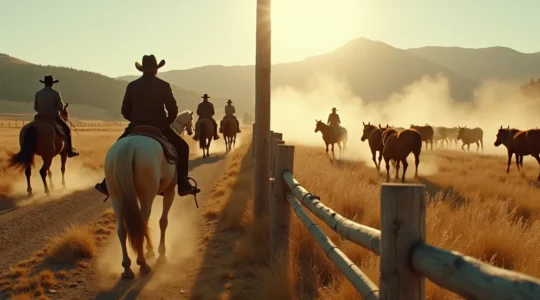
Dude Ranch vs. Working Ranch: Which Alberta Horse Experience fits Your Skills?
The key to an authentic Alberta ranch experience isn’t finding the prettiest view, but honestly matching your riding ability to the operational reality of the ranch. A dude ranch sells…
Read more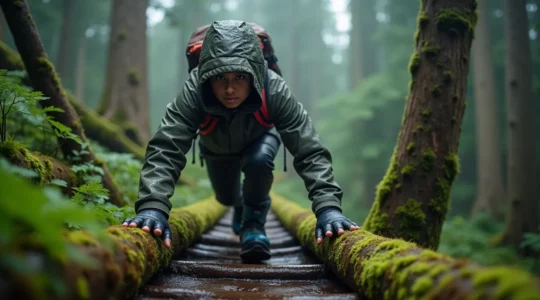
Train to Conquer: Your Evacuation-Proof Plan for the West Coast Trail
In summary: Success on the West Coast Trail hinges on building fatigue-resistance, not just general fitness, to prevent errors on technical terrain. Your training must simulate the trail’s three primary…
Read more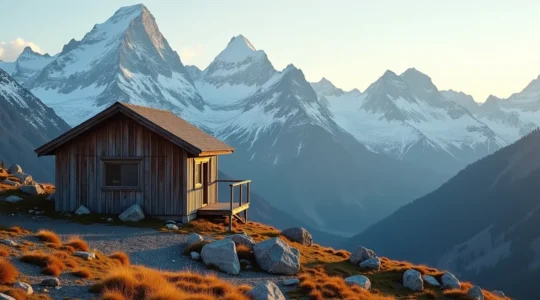
Beyond the Booking Button: A Strategist’s Guide to Securing an ACC Hut Spot
The secret to booking a popular Alpine Club of Canada hut isn’t about having the fastest internet connection; it’s about mastering the entire logistical chain long before booking day arrives….
Read more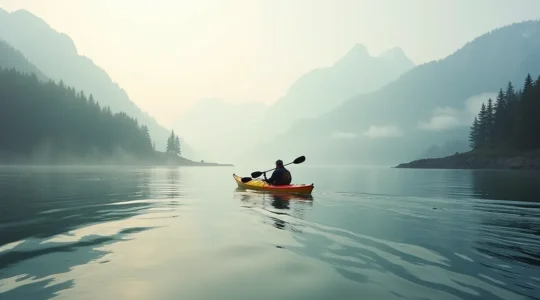
How to Kayak the Pacific Ocean Safely If You Have Only Paddled Lakes?
Paddling the Pacific Ocean is not an extension of lake kayaking; it is a completely different discipline that demands new knowledge and profound respect for the sea’s power. The primary…
Read more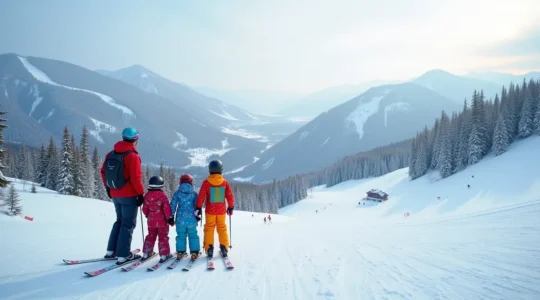
Tremblant vs. Whistler: Which Resort is Better for Teaching Kids to Ski?
The best Canadian ski resort for your kids isn’t the one with the most runs, but the one whose terrain and logistics truly match your family’s learning curve. Whistler’s steeper…
Read more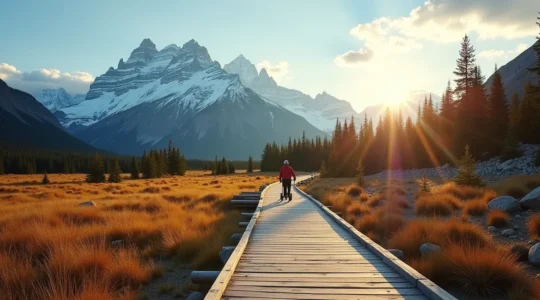
How to Find Wheelchair Accessible Trails in Canadian National Parks?
In summary: True accessibility goes beyond “paved.” It requires a detailed check of trail width, grade, surface, and amenities. Parks Canada offers adaptive equipment like all-terrain wheelchairs for free, but…
Read more
Flying with Skis in Canada: The Strategic Guide to Saving Money & Hassle
The decision to fly with skis in Canada isn’t about the baggage fee; it’s about the total logistical cost of your trip. Airline fees are often predictable, but the real…
Read more
How to Read Solar Forecasts to Predict Aurora Activity?
Predicting the aurora isn’t about luck or a single Kp number; it’s about layering three critical data sets for a complete picture. Solar wind data (especially the Bz value) is…
Read more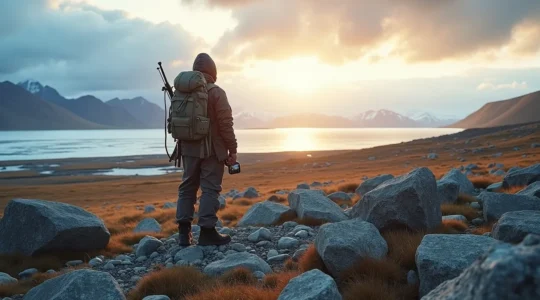
How to Obtain Permits for Visiting Inuit Lands in Nunavut?
Planning a trip to Nunavut requires more than just booking a flight; it demands a fundamental shift in understanding. Many adventurers are confused by the complex rules and high costs,…
Read more