Canadian Culture & Traditions
Canada’s cultural landscape defies simple categorization. Stretching across six time zones and encompassing hundreds of distinct communities, the country presents a complex tapestry where Indigenous traditions, colonial histories, and contemporary multiculturalism intersect in unexpected ways. Understanding Canadian culture means moving beyond stereotypes of politeness and hockey to explore the nuanced realities that shape daily life for the nearly 40 million people who call this land home.
For travelers seeking meaningful experiences beyond tourist attractions, Canada offers opportunities to engage with living traditions that have evolved over millennia alongside newer customs born from waves of immigration. From the protocol of acknowledging unceded territories to the ritual of skating on frozen canals, these cultural practices reveal fundamental truths about how Canadians relate to their land, their history, and each other. This foundation will help you navigate the country’s social landscape with greater awareness and respect.
Canada’s Multicultural Tapestry: Beyond the Melting Pot
Unlike the American “melting pot” metaphor, Canada officially embraced multiculturalism as policy in the 1970s, encouraging communities to maintain distinct cultural identities while contributing to the national fabric. This approach creates a social mosaic where differences coexist rather than blend into uniformity.
In major cities like Toronto, Vancouver, and Montreal, this philosophy manifests in neighborhoods where multiple languages fill the streets and fusion cuisine reflects genuine cultural exchange rather than appropriation. A Vietnamese-inspired bánh mì might feature Montreal smoked meat, while a Toronto food court offers authentic Cantonese dim sum alongside Somali sambusas. These aren’t tourist gimmicks but reflect the everyday reality of communities sharing space and gradually influencing each other’s traditions.
Navigating this diversity requires cultural humility. When participating in festivals like Diwali celebrations in Brampton or Lunar New Year events in Richmond, attending as a respectful observer means understanding you’re a guest in someone else’s cultural space. Supporting authentic artisans—whether purchasing Ukrainian pysanky eggs in the Prairies or Sikh ceremonial kirpans in Surrey—means recognizing these aren’t mere souvenirs but objects with deep spiritual and cultural significance.
The linguistic dimension adds another layer of complexity. In Quebec, language politics shapes everything from signage regulations to social interactions. French isn’t simply an alternative to English but represents a distinct cultural identity defended through legislation and social custom. A basic effort to greet shopkeepers with “Bonjour” before switching to English demonstrates awareness of this sensitivity.
Indigenous Heritage and Respectful Engagement
Any honest exploration of Canadian culture must begin with the recognition that Indigenous peoples—First Nations, Métis, and Inuit—have inhabited these lands for over 15,000 years. Their cultures, far from being historical artifacts, remain vibrant and evolving, though often invisible to casual visitors who don’t know where to look.
Understanding Territory Acknowledgments
You’ll frequently hear references to “unceded territory” at public events, conferences, and gatherings. These acknowledgments recognize that much of Canada was never formally surrendered through treaties, meaning Indigenous peoples maintain ongoing relationships with lands now occupied by cities and towns. While some dismiss these statements as performative, they serve as daily reminders of unresolved historical and contemporary injustices. For visitors, understanding this context helps explain complexities in Canadian identity that don’t exist in countries with different colonial histories.
Engaging with Indigenous Tourism
Authentic Indigenous tourism experiences offer profound insights when approached correctly. Look for operators displaying the Authentic Indigenous logo, which indicates Indigenous ownership and cultural accuracy. Attending a Pow Wow—a social gathering featuring dancing, singing, and ceremonial practices—requires specific etiquette: ask before photographing, don’t touch regalia without permission, and understand that some dances are participatory while others are ceremonial and reserved for Indigenous dancers.
Indigenous cuisine extends far beyond bannock and salmon. Regional variations reflect distinct ecosystems and traditions: coastal nations built cultures around marine resources, Prairie peoples developed sophisticated bison-hunting practices, and Arctic communities perfected preservation techniques for extreme climates. Tasting dishes like Three Sisters soup (corn, beans, squash) or wild rice harvested in traditional ways connects you to agricultural knowledge developed over centuries.
When purchasing items like moccasins or beadwork, recognize these aren’t generic “Native crafts” but reflect specific tribal artistic traditions. A Haudenosaunee raised beadwork piece employs different techniques than Métis floral designs or Coast Salish weaving. Buying directly from artisans ensures your money supports communities rather than exploitative middlemen.
Maritime Traditions and Coastal Culture
Canada’s Maritime provinces—Nova Scotia, New Brunswick, and Prince Edward Island—plus Newfoundland and Labrador maintain cultural identities distinct from central Canada, shaped by centuries of fishing economies, shipbuilding, and relative geographic isolation.
Maritime food culture reveals this unique heritage. While outsiders associate the region primarily with lobster and seafood, the true depth emerges in dishes born from necessity and ingenuity: fish and brewis (salt cod with hardtack), rappie pie (Acadian potato casserole), and toutons (fried bread dough). The Halifax donair—spiced meat in sweet sauce on pita—represents modern regional identity, defended with the same passion Montrealers reserve for bagels or smoked meat.
Blueberries hold particular cultural significance in the region, appearing not just in desserts but in sauces, preserves, and even wine. Wild blueberry barrens, often managed by the same families for generations, represent both economic resource and cultural touchstone. Attending community suppers at church halls or fire stations offers windows into social traditions where food serves as the medium for maintaining community bonds.
The region’s lighthouse culture reflects the sea’s central role in Maritime identity. Many historic lighthouses now welcome visitors, offering stays in keeper’s quarters or museums detailing the isolated lives of lightkeeping families. Exploring lighthouse trails requires understanding safety protocols—coastal rocks can be treacherous, tides dramatic, and weather unpredictable. These aren’t just scenic photo opportunities but monuments to communities shaped by the ocean’s demands and dangers.
Iconic Canadian Symbols and Their Stories
National symbols carry deeper meanings than their commercial iterations suggest. Understanding their origins reveals how Canada constructed national identity from diverse regional and cultural elements.
The maple leaf became Canada’s official symbol relatively recently, but maple syrup production represents Indigenous knowledge transmitted to European settlers. Traditional tapping methods, still practiced by many producers, follow seasonal rhythms that connect people to land cycles. Spring sugaring-off parties, where boiled sap is drizzled on snow to make taffy, transform practical food preservation into social ritual.
The canoe exemplifies design perfection achieved through generations of refinement. Different Indigenous nations developed distinct hull shapes and construction techniques optimized for their specific waterways—Haida ocean-going canoes differ dramatically from Algonquin river canoes. This wasn’t primitive technology but sophisticated engineering that enabled complex trade networks spanning the continent.
Lacrosse, now Canada’s official summer sport, began as Indigenous spiritual practice and military training. The modern game, while far removed from its origins in some ways, maintains connections to these roots through ongoing Indigenous participation and the sport’s role in cultural revitalization efforts.
Winter equipment like snowshoes and mukluks represents knowledge essential for survival in northern climates. Modern recreational versions descend from designs perfected over millennia, each regional style reflecting specific snow conditions and terrain. Wearing mukluks isn’t costume play but engaging with functional design that remains superior to many industrial alternatives.
Understanding the Land Through Place Names
Canadian geography carries layered meanings visible in place names that record Indigenous languages, colonial ambitions, and contemporary reclamation efforts. This linguistic landscape tells stories about power, memory, and evolving relationships with the land itself.
The name “Canada” likely derives from the Haudenosaunee word “kanata,” meaning village or settlement—a humble origin for a country spanning nearly 10 million square kilometers. Pronouncing Indigenous place names correctly (Squamish, Mississauga, Tuktoyaktuk) demonstrates basic respect, though many settlers struggle with sounds absent from European languages.
Recent years have seen increasing efforts to rename landmarks carrying colonial baggage or honoring problematic historical figures. These changes often spark controversy, revealing tensions between those seeking historical accountability and those uncomfortable with revising familiar geography. Understanding these debates requires recognizing that place names aren’t neutral labels but assertions about whose history matters.
Reading the landscape means recognizing that certain locations hold sacred significance for Indigenous peoples. Not every beautiful natural feature is appropriate for recreational use—some sites remain off-limits or require specific protocols. Respecting these boundaries, even when not legally enforced, demonstrates cultural awareness that many Indigenous tourism operators cite as frequently lacking among visitors.
Celebrating Winter as a Way of Life
Canadians don’t simply endure winter; they’ve developed cultural practices that transform potentially hostile conditions into opportunities for celebration and community building. Understanding this relationship with cold and snow is essential for grasping Canadian identity.
Winter festivals across the country employ similar strategies: embrace the cold rather than retreat from it. Quebec’s Carnaval features outdoor activities when temperatures regularly dip below -20°C. Participants drink caribou—a traditional mixture of red wine and spirits—not primarily for taste but for the warming effect that makes extended outdoor exposure tolerable.
Successfully participating in these celebrations requires counterintuitive preparation: dressing for standing still rather than activity. Layering systems developed for ice fishing or winter camping work better than athletic winter gear designed for high-output activities. Locals quickly identify underdressed tourists by their abbreviated outdoor visits and retreat to heated spaces.
Ottawa’s Rideau Canal, transformed each winter into the world’s largest skating rink, represents this philosophy perfectly. Skating to work or school isn’t a quirky tourist activity but practical transportation embraced by thousands daily. Eating BeaverTails—fried dough pastries—on the ice isn’t mere indulgence but a ritual that marks participation in this collective winter culture.
Ice carving competitions and snow sculpture festivals demonstrate how winter’s challenges become media for artistic expression. These aren’t attempts to make winter palatable but celebrations of its unique possibilities—art forms that literally couldn’t exist in warmer climates, ephemeral by nature, demanding both technical skill and acceptance of impermanence.
Understanding Canadian culture requires moving beyond surface-level observations to engage with the historical complexities, regional variations, and living traditions that shape contemporary life. These cultural expressions—from territory acknowledgments to winter celebrations—aren’t museum pieces but active practices that continue evolving. Whether you’re exploring Maritime fishing villages, attending urban multicultural festivals, or learning to tap maple trees, approaching these experiences with genuine curiosity and cultural humility opens doors to deeper understanding of what makes Canada distinctly itself.
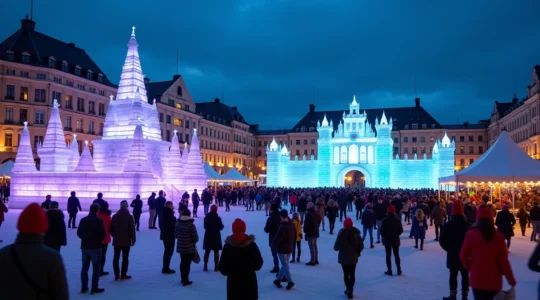
How to Actually Enjoy the Quebec Winter Carnival at -20°C Without Freezing
Contrary to popular belief, staying warm at the Carnival isn’t about piling on clothes; it’s about mastering a system of strategic warmth that locals have perfected. Defeat “static cold” by…
Read more
What Do the Indigenous Names of Canadian Cities Actually Mean?
Contrary to popular belief, Indigenous place names are not just simple translations of natural features. They are complex linguistic archives that encode ecological knowledge, historical narratives, and a worldview of…
Read more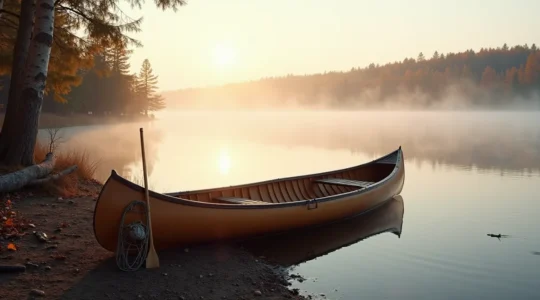
How Did Indigenous Innovations Become Canadian National Symbols?
Canada’s most iconic symbols aren’t just historical artifacts; they are living expressions of sophisticated Indigenous ecological and spiritual wisdom. The enduring success of items like the canoe and snowshoe comes…
Read more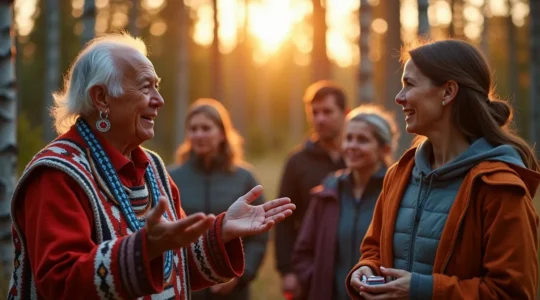
How to Find Authentic Indigenous Tourism in Canada (and Avoid Cultural Appropriation)
True engagement with Indigenous tourism in Canada isn’t about avoiding mistakes, but about actively choosing to be in a respectful relationship with the peoples and cultures you visit. Look for…
Read more
How to Book an Unforgettable Stay in a Heritage Lighthouse in Canada
Choosing a Canadian lighthouse stay is about embracing living history, not just booking a room with an ocean view. The experience ranges from rustic authenticity, complete with shared quarters and…
Read more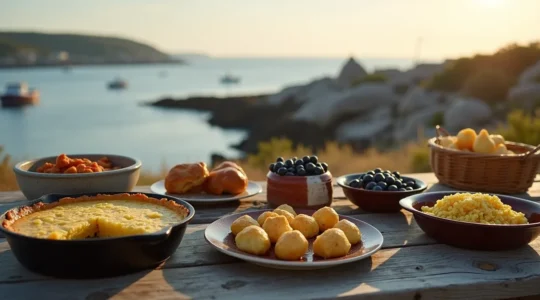
Where to Find Authentic Acadian Cuisine in the Maritimes?
Authentic Acadian cuisine is an edible archive of history, where each dish tells a story of resilience, Indigenous collaboration, and survival following the Great Upheaval. The most genuine culinary experiences…
Read more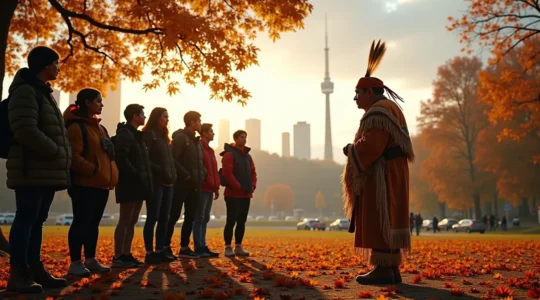
Beyond the “Zoo”: A Guide to Respectfully Exploring Canada’s Cultural Enclaves
True cultural exploration in Canada goes beyond sightseeing; it requires understanding the unwritten rules and rich histories that define each community. Respect involves active learning, from the meaning of land…
Read more