Cities & Urban Life
Canadian cities offer a distinctive blend of urban sophistication and natural accessibility that sets them apart on the global stage. From working waterfronts in Maritime communities to the multicultural neighbourhoods of major metropolitan centres, urban life across Canada reflects both geographic diversity and cultural richness. Whether you’re navigating accessible green spaces, exploring world-class museums, or discovering authentic food traditions in ethnic enclaves, Canadian cities reward travellers who look beyond conventional tourist corridors.
Understanding urban life in Canada means recognizing how cities integrate nature into daily rhythms, preserve local economic ecosystems in smaller communities, and cultivate distinct cultural districts that maintain genuine neighbourhood character. This article examines the essential elements that define Canadian urban experiences—from respectful engagement with coastal towns to practical strategies for accessing urban nature, intellectual tourism in the capital, and authentic culinary exploration in diverse neighbourhoods.
Connecting with Coastal Communities
Canada’s coastal towns—whether along the Atlantic provinces, Pacific shores, or Great Lakes communities—maintain working economies that extend far beyond tourism. These communities depend on fishing industries, maritime services, and local craftsmanship that have sustained families for generations. Respectful engagement means recognizing that visitors are entering active working environments, not theme parks designed for entertainment.
Identifying working wharves helps travellers appreciate the difference between recreational marinas and commercial fishing operations. In places like Lunenburg, Nova Scotia, or Steveston, British Columbia, the early morning hours reveal the actual rhythm of these communities—fishing vessels unloading catches, repair work underway, and marine equipment being maintained. These aren’t photography backdrops; they’re someone’s livelihood requiring spatial awareness and respect for operational needs.
Supporting local economies extends to accommodation and purchasing choices. Staying in bed and breakfasts rather than chain hotels directs revenue to local residents, while shopping for crafts directly from artisans—whether Mi’kmaq basket weavers or Haida carvers—ensures makers receive fair compensation. Community halls often host suppers featuring local ingredients prepared by volunteer cooks, offering authentic culinary experiences while funding community programming. These gatherings welcome respectful visitors but require understanding that privacy matters: not every moment warrants a photograph, and locals deserve space to simply live without becoming tourist subjects.
Accessible Urban Nature Experiences
Canadian cities have increasingly prioritized universal accessibility to green spaces, recognizing that nature experiences shouldn’t require physical ability or automobile ownership. This democratization of urban nature opens opportunities for travellers with limited mobility to engage with environments often presumed inaccessible.
Navigating Green Spaces with Limited Mobility
The National Capital Region’s Greenbelt—over 20,000 hectares of protected land surrounding Ottawa—includes numerous trails with smooth, packed surfaces suitable for wheelchairs and walkers. TheMer Bleue Boardwalk, for instance, provides a fully accessible 1.2-kilometre loop through a rare boreal bog ecosystem, where birdwatching opportunities include spotching sedge wrens and Lincoln’s sparrows from stable, level pathways. Similar infrastructure exists in Toronto’s Tommy Thompson Park and Vancouver’s Pacific Spirit Regional Park, where investment in pathway maintenance creates genuinely inclusive nature access.
Planning and Logistics
Successful accessible outings require advance planning that able-bodied travellers might skip. Confirming washroom facilities—their location, accessibility features, and seasonal availability—prevents difficult situations. Many parks close facilities during winter months or after specific hours. Parking logistics matter significantly: designated accessible spots fill quickly on pleasant weekend days, and some trailheads lack paved parking altogether. Checking park websites or calling ahead eliminates uncertainty, particularly for visitors unfamiliar with Canadian seasonal patterns affecting facility access.
Using Public Transit to Reach Nature
Cities like Vancouver, Toronto, and Montreal have extended transit networks to reach major parks and conservation areas. Vancouver’s bus routes service Pacific Spirit Park and the North Shore mountains; Toronto’s TTC connects to Rouge National Urban Park; Montreal’s transit reaches Parc-nature du Cap-Saint-Jacques. These connections remove automobile dependency while reducing parking pressure on sensitive areas. Transit apps now include accessibility information—elevator outages, station configurations, bus low-floor availability—enabling confident trip planning for travellers with mobility considerations.
Cultural Institutions in the Capital
Ottawa’s concentration of national museums and institutions creates opportunities for intellectually focused itineraries that examine Canadian history, artistic achievement, and scientific innovation through curated collections and expert interpretation. Unlike casual museum-hopping, a thoughtfully constructed intellectual itinerary establishes thematic connections across institutions, deepening understanding through deliberate sequencing.
The Canadian War Museum and Canadian Museum of History (directly across the Ottawa River in Gatineau, Quebec) form natural companions for exploring how military conflicts shaped national development and identity. The War Museum’s chronological galleries trace Canada’s military history from pre-Confederation conflicts through contemporary peacekeeping, while the History Museum contextualizes these events within broader social, economic, and cultural transformations. Visiting both within a few days allows themes to resonate and connect.
Parliament Hill tours require advance booking through the parliamentary website, particularly during summer months when demand exceeds capacity. Tours fill weeks ahead, so travellers should secure reservations before finalizing other plans. The Canada Science and Technology Museum and National Gallery of Canada offer contrasting approaches to Canadian achievement—one examining innovation through locomotives, communications technology, and scientific instruments; the other showcasing artistic expression through the Group of Seven, Indigenous art collections, and contemporary Canadian works. Allocating sufficient time matters: the National Gallery alone warrants a full day for serious engagement with its permanent collection and temporary exhibitions.
Multicultural Food Neighbourhoods Beyond Downtown
Toronto’s status as one of the world’s most multicultural cities—with over half its residents born outside Canada—manifests in authentic ethnic neighbourhoods where food, language, and cultural practices reflect genuine community needs rather than tourist expectations. These areas exist primarily for local residents, meaning visitors encounter real cultural expressions rather than sanitized versions.
Koreatown North along Yonge Street north of Finch Avenue contains dozens of Korean restaurants, bakeries, and grocery stores serving the substantial Korean-Canadian population. Here, menus often include limited English, assuming customer familiarity with dishes like sundubu-jjigae or galbi-jjim. Similarly, Greek Town along the Danforth—while more tourist-aware—maintains family-run establishments where Greek remains the working language in kitchens and regular customers receive different treatment than occasional visitors.
Little Jamaica along Eglinton Avenue West offers Jamaican patties, roti, and jerk chicken from establishments that have anchored this neighbourhood for decades, though recent transit construction has challenged many businesses. Hakka cuisine—representing the unique fusion created by Chinese communities in India before immigrating to Canada—appears in restaurants throughout Scarborough, particularly along Midland Avenue. These establishments serve dishes like Hakka noodles and chili chicken that won’t appear in conventional Chinese restaurants. Tibetan momos—dumplings filled with meat or vegetables—can be found in Parkdale’s growing Tibetan community, where small restaurants cater primarily to Tibetan-Canadians seeking familiar flavours.
Authentic engagement means accepting that you may be the only non-community member present, that explanations won’t always be offered, and that food arrives as prepared for regular customers—spice levels, portion sizes, and presentations unchanged. This authenticity rewards the minor discomfort of navigating unfamiliar spaces.
Urban-Nature Integration Along Waterfronts
Vancouver’s Seawall—a 28-kilometre pathway circling the downtown peninsula and Stanley Park—exemplifies successful urban-nature integration, allowing residents and visitors to bike, walk, or run alongside ocean waters while remaining steps from urban density. This infrastructure supports multiple user groups simultaneously through separated pathways and clear traffic rules that require consistent observation.
Bike rentals concentrate near popular entry points, offering various styles from comfortable cruisers to performance road bikes. The Seawall’s popularity means congestion during summer weekends and pleasant evenings, requiring patience and courteous sharing. Posted signage indicates travel direction (counterclockwise around Stanley Park), speed expectations, and passing protocols. Traffic rules include staying right except when passing, calling out before overtaking, and yielding to pedestrians at crossings. Violations create conflicts and safety risks, particularly where sightlines narrow.
Timing sunset rides requires checking daily sunset times and arriving early—popular viewpoints near Third Beach and Prospect Point fill an hour before sunset during summer months. Ocean swimming opportunities exist at Second Beach, Third Beach, and English Bay Beach, though Pacific waters remain cool year-round (typically 12-18°C), requiring mental preparation even during summer. Wildlife spotting includes harbour seals near the seawall edges, river otters in quieter sections, great blue herons fishing in shallows, and occasionally orcas passing through English Bay. Respectful observation means maintaining distance, avoiding feeding, and recognizing that wildlife presence indicates healthy marine ecosystems worth protecting through responsible enjoyment.
Canadian urban life offers distinctive experiences shaped by geographic context, multicultural populations, and deliberate integration of natural spaces within city boundaries. Whether supporting working coastal communities through thoughtful economic choices, accessing urban nature via inclusive infrastructure, constructing intellectual itineraries through national institutions, exploring authentic ethnic neighbourhoods, or engaging with waterfront spaces that blend recreation and ecosystem health, these cities reward travellers who approach them with curiosity, respect, and willingness to move beyond surface-level tourism. Each element discussed here merits deeper exploration based on individual interests and the specific cities you choose to experience.

How to Cycle the Stanley Park Seawall Without Annoying the Locals?
In summary: The Seawall operates on a principle of “urban flow”; respecting its one-way, counter-clockwise system is non-negotiable for safety. Your bike choice (cruiser vs. e-bike) depends on your fitness…
Read more
Scarborough Food Crawl: How to Find the Best Global Cuisine in Strip Malls?
Forget the downtown tourist traps; Toronto’s most authentic culinary treasures are hidden in plain sight within its suburban strip malls. The city’s global identity is best experienced through Hakka cuisine…
Read more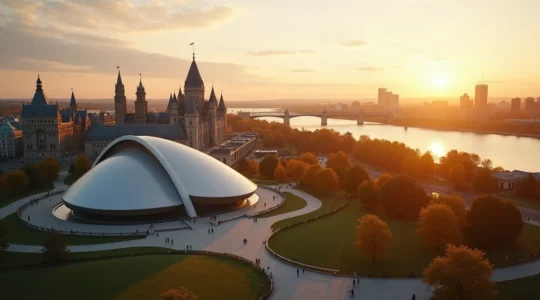
How to Prioritize Ottawa’s Museums for a 2-Day Cultural Trip?
The key to a rewarding two-day museum tour in Ottawa is to abandon the checklist and embrace a curated narrative, focusing on how the city’s architecture and symbolic exhibits tell…
Read more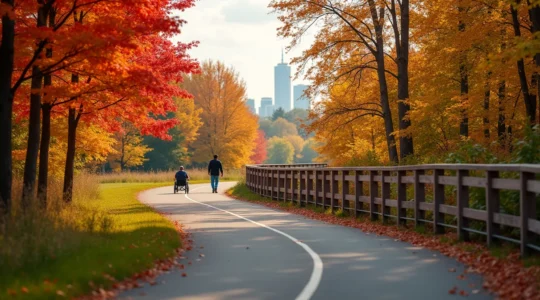
Paved Paradise: Finding Truly Accessible Nature Loops 30 Minutes from Downtown Toronto
True access to Toronto’s nature isn’t just about a “flat trail”; it’s about solving the logistical puzzle of getting there and using the space with confidence. Many parks are listed…
Read more
How to Find Authentic Canadian Fishing Villages (and Avoid the Tourist Traps)
Contrary to popular belief, colourful houses and quaint storefronts are often signs of a tourist trap, not an authentic Canadian fishing village. True authenticity is revealed by economic activity: look…
Read more