Destinations by Region
Canada’s vastness transforms the concept of regional travel into something fundamentally different from touring a smaller nation. Each region operates almost as its own country, with distinct climates, cultural identities, and travel considerations that demand specific preparation. A trip to the Rocky Mountains requires entirely different gear, budgeting, and knowledge than a coastal journey through the Maritimes or an exploration of prairie landscapes.
Understanding these regional distinctions isn’t merely helpful—it’s essential for safe, enjoyable, and respectful travel. The visitor who arrives on Prince Edward Island expecting mountain hiking trails will be disappointed, just as the traveler who packs only for Vancouver’s mild coast will struggle in the alpine chill of Banff. This fundamental guide introduces the core characteristics, practical challenges, and unique considerations of Canada’s primary travel regions, helping you choose destinations that match your interests and prepare appropriately for the realities you’ll encounter.
Mountain Destinations and Alpine Environments
The mountain regions of Western Canada—primarily the Canadian Rockies spanning Alberta and British Columbia—present some of the country’s most iconic landscapes alongside its most demanding travel conditions. These destinations require more than admiration; they demand respect and preparation.
Altitude and Physiological Challenges
Many mountain towns and trailheads sit at elevations between 1,400 and 2,100 meters, with hiking routes climbing significantly higher. Altitude sickness affects visitors differently regardless of fitness level, manifesting as headaches, nausea, or fatigue. The reduced oxygen at these heights means your body works harder for every activity, from carrying luggage to climbing stairs.
Acclimatization requires patience. Spending your first day at lower elevations before attempting strenuous hikes allows your body to adjust. Hydration becomes exponentially more important in the dry mountain air, where you may not notice how much fluid you’re losing through respiration and perspiration.
Weather Volatility and Layered Preparation
Mountain weather swings defy prediction. A sunny morning can transform into afternoon snow, even during summer months. The temperature differential between valley floors and alpine meadows can exceed 15-20 degrees Celsius in a single day.
Successful packing follows the layering principle: moisture-wicking base layers, insulating middle layers, and waterproof outer shells. Many novice visitors bring either too much (heavy parkas in July) or too little (only t-shirts and shorts), discovering the inadequacy only after reaching exposed ridgelines.
Wildlife Corridors and Shared Spaces
Canada’s mountain parks function as working ecosystems where grizzly bears, elk, and bighorn sheep move freely. Wildlife corridors—designated routes animals use for migration and daily movement—frequently intersect with hiking trails and roadways. Respecting these spaces means storing food properly, maintaining safe distances (minimum 100 meters for bears), and understanding that you’re a guest in their habitat.
Park entry fees support conservation efforts and infrastructure maintenance. The Discovery Pass provides annual access to national parks and represents better value for visitors planning multiple-day stays or exploring several mountain destinations during a single trip.
Prairie Landscapes and Western Heritage
Alberta’s prairie and badlands regions offer a counterpoint to mountain tourism—vast horizontal landscapes where geology, paleontology, and cowboy culture intersect. These areas receive fewer international visitors despite offering genuinely unique Canadian experiences.
The Canadian Badlands, particularly around Drumheller, reveal 75 million years of geological history in exposed rock formations. Timing matters here: summer temperatures frequently exceed 30°C with minimal shade, making spring and autumn preferable for extended exploration. The stark beauty rewards those willing to experience a landscape utterly different from Canada’s famous forests and peaks.
Western heritage sites, from working ranches to historic industrial locations, document the economic foundations that built the prairie provinces. Cowboy culture etiquette in this region reflects genuine working traditions rather than tourist theater. When visiting working ranches or attending rodeos, understanding the protocols—proper gate closing, respectful livestock observation, authentic interest rather than condescension—demonstrates cultural awareness.
The Cowboy Trail, a 700-kilometer scenic route through Alberta’s foothills, connects these heritage elements while offering spectacular Rocky Mountain vistas from the eastern approach. Urban centers like Edmonton provide surprising natural spaces within city limits, including the extensive river valley park system—one of North America’s largest urban parklands, though few visitors realize it exists.
West Coast Experiences and Budget Realities
British Columbia’s coastal regions present a paradox: stunning natural beauty accompanied by Canada’s highest travel costs. Vancouver and Vancouver Island consistently rank among the country’s most expensive destinations, requiring budget strategies that differ significantly from other regions.
Transportation and Ferry Systems
BC Ferries operates as the marine highway connecting coastal communities, islands, and the mainland. Ferry costs accumulate quickly, particularly for vehicle transport. A return journey from the mainland to Vancouver Island can exceed $150 for a vehicle and passengers, transforming island visits into significant line items in any budget.
Understanding the ferry system’s pricing structure—off-peak discounts, walk-on passenger savings, reservation fees versus wait times—becomes essential planning knowledge. Some travelers strategically base themselves on Vancouver Island rather than making multiple crossings, while others explore coastal destinations accessible without ferry travel.
Accommodation and Food Strategies
Vancouver’s accommodation costs challenge budget-conscious travelers, but strategies exist beyond standard hotels. Free camping on certain Crown lands and designated recreation sites provides alternatives, though regulations vary and require research. Provincial parks offer middle-ground pricing between free camping and commercial campgrounds.
Eating affordably in Vancouver demands avoiding tourist corridors. Ethnic neighborhoods—particularly along Commercial Drive, Main Street, or in Richmond—offer authentic cuisine at fractions of downtown prices. Food courts, bakeries, and takeaway spots frequented by locals reveal the city’s culinary diversity without premium pricing.
Wine Regions and Seasonal Timing
The Okanagan Valley wine region operates as a distinct destination within British Columbia, offering Mediterranean-like climate and hundreds of wineries. Choosing the right wine region depends on your preferences: Okanagan for established operations and summer heat, Cowichan Valley on Vancouver Island for boutique producers and milder temperatures.
The coastal rainy season, typically October through March, shouldn’t automatically disqualify winter visits. Rainfall varies significantly—Victoria receives half of Vancouver’s precipitation—and shoulder seasons offer reduced crowds and accommodation costs alongside genuine cultural experiences rather than peak-season tourism.
Atlantic Coastal Routes and Maritime Adventures
Canada’s Atlantic provinces deliver coastal experiences distinct from the West Coast—intimate fishing villages, Celtic cultural influences, and driving routes that rank among the world’s most spectacular. The Cabot Trail in Nova Scotia exemplifies this region’s appeal while illustrating its specific challenges.
This 300-kilometer loop around Cape Breton Island combines oceanside cliffs, highland plateaus, and continuous elevation changes that test both vehicles and drivers. Brake safety becomes paramount on the extended descents, particularly for RVs and vehicles towing trailers. Overheated brakes have caused serious incidents; using lower gears for engine braking rather than riding the brake pedal prevents mechanical failure.
Scheduling the drive duration requires realistic expectations. While technically completable in five hours, the route deserves at least two days for proper appreciation. Frequent pullouts invite photography stops, whale-watching opportunities appear unpredictably, and the Skyline Trail—one of Canada’s most photographed hiking routes—demands several hours for the complete experience.
Construction and road maintenance projects impact Atlantic coastal routes regularly. Accessing current construction updates before departure prevents unexpected detours or delays. Parks Canada and provincial transportation departments maintain updated online resources, though cellular coverage along remote coastal sections remains inconsistent.
Island Destinations and Coastal Conservation
Prince Edward Island represents Canada’s smallest province but offers outsized coastal beauty accompanied by unique conservation challenges. The island’s distinctive red dirt—iron oxide-rich soil that stains everything it contacts—creates the signature cliffs and beaches but also practical challenges for visitors. Those vibrant red-sand stains on clothing, shoes, and vehicle interiors require prompt treatment; immediate cold-water rinsing works better than waiting until laundry day.
PEI’s iconic landscapes face genuine erosion threats from climate change and visitor impact. The famous red sandstone cliffs erode naturally at measurable rates, accelerated by foot traffic and vegetation damage. Staying off the dunes isn’t mere suggestion—it’s essential conservation practice. The fragile dune ecosystems require decades to establish the vegetation that prevents erosion; a single shortcut can destroy years of natural stabilization.
Finding safe swimming spots along PEI’s beaches requires understanding tidal patterns. The island experiences some of Atlantic Canada’s most dramatic tidal fluctuations, with water levels changing several meters between high and low tide. Beach areas safe for swimming at high tide can expose dangerous currents, channels, or sudden drop-offs as water recedes. Timing your beach visits around tidal schedules—available from local tourist information centers—prevents unexpected situations.
The island’s scenic heritage roads, including portions of the Confederation Trail and coastal drives, showcase agricultural landscapes and historic communities. These routes reward slower travel, with farm stands, artisan studios, and fishing harbors revealing island life beyond the Anne of Green Gables tourism narrative that dominates international perceptions.
Each Canadian region presents distinct rewards alongside specific challenges. Effective regional travel begins with understanding these differences, preparing appropriately, and approaching each destination with the respect its unique characteristics demand. Whether you’re drawn to alpine peaks, prairie horizons, coastal forests, or island shores, recognizing what makes each region genuinely different transforms generic tourism into meaningful travel experiences.
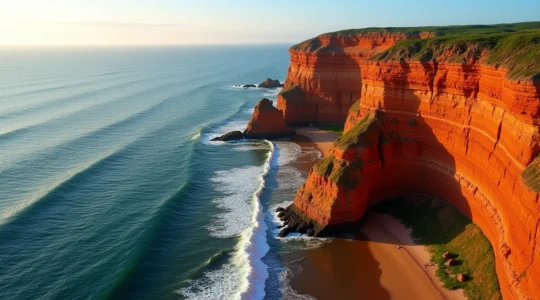
How to Visit PEI’s Red Cliffs Without Contributing to Coastal Erosion?
Visiting Prince Edward Island’s red cliffs is a race against time, and your actions as a visitor directly determine the finish line. The soft sandstone that forms the cliffs is…
Read more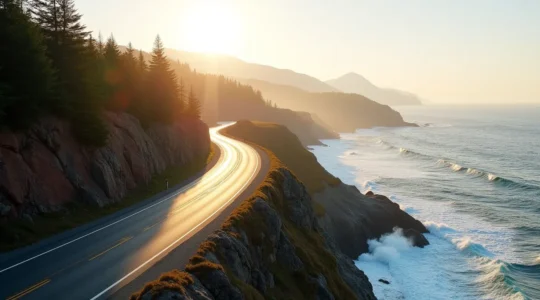
How to Drive the Cabot Trail: Clockwise or Counter-Clockwise?
The “best” direction to drive the Cabot Trail isn’t a fixed rule; it’s a dynamic, daily decision based on road conditions, traffic, and weather. Counter-clockwise offers superior, unobstructed ocean views…
Read more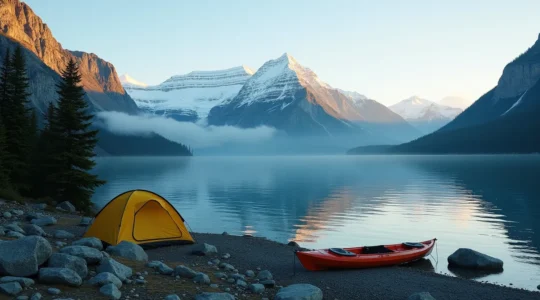
How to Travel British Columbia on a Budget of $150 CAD per Day?
Traveling British Columbia on $150 a day isn’t a myth; it’s a matter of strategic hacking, not sacrifice. Exploit systemic price gaps in transportation by leaving your car behind for…
Read more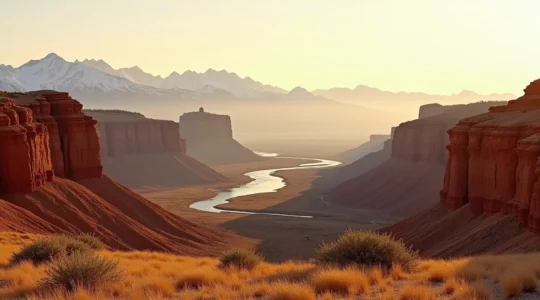
Why Alberta’s Badlands Are the Real Adventure Beyond the Rockies
The true Alberta experience isn’t found in the Rockies’ most crowded spots, but in the deliberate choices you make to explore the vast, story-rich Badlands. This means choosing the scenic…
Read more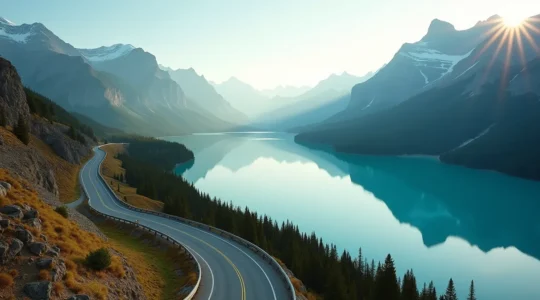
How to Visit Banff & Jasper in July Without the Crowds: A Local’s Guide
The secret to enjoying the Rockies in July isn’t avoiding crowds—it’s mastering the systems that manage them. Strategic basecamp choice (like Canmore) offers better value and less congestion than staying…
Read more