Food & Flavors
Canada’s culinary landscape tells the story of a nation shaped by ocean coastlines, vast prairies, diverse immigration, and distinct regional identities. From the lobster wharves of the Atlantic provinces to the cattle ranches of Alberta, from Montreal’s storied delis to the newly minted Michelin-starred restaurants in Toronto and Vancouver, Canadian food culture offers travelers a remarkable journey through flavors that reflect both tradition and innovation.
Understanding this food scene means navigating more than just menus. It involves grasping the rhythms of seasonal availability, the unwritten rules of tipping that vary by city, the pricing structures influenced by provincial alcohol regulations, and the insider knowledge that separates authentic experiences from tourist-oriented offerings. Whether you’re booking a table at a high-demand venue, selecting shellfish at a Halifax market, or exploring ethnic neighborhoods for genuine regional cuisine, this knowledge transforms casual dining into meaningful cultural immersion.
This comprehensive resource introduces you to Canada’s essential food traditions, dining customs, and practical strategies that help both visitors and curious locals eat like insiders across the country’s diverse urban centers.
Canada’s Regional Culinary Identity
Canadian cuisine isn’t monolithic—it’s a tapestry woven from distinct regional threads, each representing centuries of tradition, geographic advantage, and cultural heritage. Understanding these regional identities helps travelers appreciate why certain dishes command premium prices, why locals show fierce loyalty to specific preparations, and where to direct your culinary attention in each region.
Atlantic Seafood Heritage
The Maritime provinces have built their culinary reputation on cold-water seafood that thrives in the nutrient-rich Atlantic waters. Lobster remains the crown jewel, but the seafood story extends far beyond this crustacean. The region operates on a zone-based lobster season system, with different coastal areas opening and closing at staggered times throughout the year. This regulatory approach ensures sustainability while creating regional variation in availability and pricing.
Understanding shellfish grading becomes essential when sourcing seafood. Lobsters are classified by size and quality, with “canners” at the lower end and “jumbos” commanding top dollar. Locals know that medium-sized lobsters often offer the best meat-to-shell ratio and more tender texture. When purchasing seafood to transport home, insulated shipping methods and proper temperature control make the difference between a successful journey and spoiled product. The key challenge for visitors lies in avoiding the inflated prices near major tourist attractions while finding vendors who maintain proper handling standards.
Prairie Beef Traditions
Alberta’s ranching heritage has created a beef culture with its own language, rituals, and quality standards. The Canadian beef grading system—ranging from Canada Prime to Canada A, B, and D—measures marbling and maturity differently than American standards, and understanding these distinctions helps diners select cuts that match their preferences and budget.
The authentic prairie beef experience extends beyond restaurant steaks. Chuckwagon dining, rooted in cowboy culture, offers communal outdoor meals featuring slow-cooked cuts and traditional sides. “Prairie oysters”—a euphemism for bull testicles—represent the nose-to-tail philosophy still embraced in ranching communities. Locals often pair premium Alberta beef with Caesars, Canada’s signature cocktail (similar to a Bloody Mary but made with Clamato juice), creating a regional pairing that reflects national identity.
For travelers wanting to bring beef home, understanding vacuum-sealing, freezer packing, and transportation regulations becomes crucial, as quality degradation happens quickly without proper handling.
Montreal’s Iconic Food Culture
Montreal’s food identity is inseparable from its Jewish immigrant history and French-Canadian fusion. The city’s most passionate debates revolve around bagels—specifically whether St-Viateur or Fairmount produces the superior product. Unlike New York bagels, Montreal versions are smaller, denser, slightly sweet, and always wood-fired, creating a distinctive texture and flavor profile.
Smoked meat represents another pillar of Montreal’s culinary heritage. Ordering correctly means knowing the spectrum from lean to fatty, understanding that “medium” represents the traditional choice, and recognizing that many legendary establishments operate on a cash-only basis. The late-night food culture remains vibrant, with certain institutions serving until early morning hours, catering to shift workers, night owls, and post-event crowds.
This food landscape emerged from Eastern European Jewish immigration waves in the early twentieth century, creating traditions that have become quintessentially Montréalais, transcending their origins to define the city’s identity for residents and visitors alike.
Navigating Fine Dining and Restaurant Culture
Canada’s restaurant landscape has evolved dramatically with the arrival of international recognition systems and a maturing culinary scene that now commands global attention. Understanding how to access and navigate these elevated dining experiences requires both practical knowledge and cultural awareness.
The Michelin Arrival in Canada
The recent introduction of the Michelin Guide to Canadian cities has transformed the fine dining landscape, creating new booking challenges, price expectations, and service standards. The star system—ranging from one star (high-quality cooking) to the coveted three stars (exceptional cuisine worth a special journey)—now provides international travelers with familiar benchmarks while elevating domestic competition.
Understanding what Michelin recognition actually means helps set appropriate expectations. Starred restaurants represent culinary excellence but also specific service styles, dress codes, and price points that may surprise diners accustomed to Canada’s generally casual dining culture. Wine pairing becomes an art form at this level, with sommeliers curating selections that complement multi-course tasting menus, often featuring Canadian wines from British Columbia’s Okanagan Valley or Ontario’s Niagara region.
Booking High-Demand Tables
Securing reservations at sought-after venues requires strategy and timing. Many top restaurants release tables exactly 30 days in advance, creating a competitive scramble at the precise release time. Some establishments use reservation platforms with waiting list features, while others maintain old-school phone-only booking systems that favor persistent callers.
Food festivals create additional booking pressure, as culinary events draw concentrated attention to specific cities and restaurants during peak periods. Timing visits to avoid or strategically coincide with these festivals depends on whether you seek the energy of food-focused events or prefer quieter periods with better availability.
Understanding Tipping Expectations
Tipping culture in Canadian cities operates differently than many international standards, and expectations have shifted in recent years. The baseline for acceptable service now ranges from 18% to 20% in major urban centers, with some establishments suggesting 22% or higher on pre-tax amounts. This represents a significant increase from historical norms and catches many visitors off-guard.
High bills at fine dining establishments create mathematical challenges—a 20% tip on a $500 dinner for two represents $100 additional cost. Understanding whether suggested tip calculations use pre-tax or post-tax amounts, whether service charges are already included, and how to navigate automated payment prompts becomes essential for budget planning.
Tipping expectations also vary by city, with Toronto and Vancouver generally expecting higher percentages than smaller urban centers, and some regional differences in whether tipping applies to takeout orders, counter service, or alcohol purchases.
Finding Authentic Local Flavors
Beyond established restaurants and tourist-oriented venues lies a parallel food world where immigrant communities maintain culinary traditions, seasonal specialties reach peak expression, and local knowledge unlocks significantly better value and authenticity.
Ethnic Food Enclaves
Canada’s major cities contain concentrated ethnic neighborhoods where specific immigrant communities have created authentic food infrastructure serving their own populations first and curious outsiders second. These areas—like Toronto’s Chinatown, Little Italy, and Greektown; Vancouver’s Richmond for Chinese and Taiwanese cuisine; or Montreal’s diverse Jean-Talon Market area—offer dramatically different experiences than downtown tourist districts.
Finding these enclaves requires research beyond standard tourist guides. Look for neighborhoods where signage appears primarily in languages other than English or French, where restaurants cater to multigenerational family groups rather than couples, and where menus offer traditional preparations rather than fusion adaptations. The best indicators of authenticity often include language barriers, unfamiliar ingredients, and pricing structures that assume local knowledge rather than explaining every item.
Seasonal Food Festivals
Canadian food festivals celebrate everything from specific ingredients (garlic, lobster, poutine) to seasonal harvests, cultural traditions, and culinary competitions. These events provide concentrated access to regional specialties, chef demonstrations, and product tastings that would otherwise require extensive travel and research.
Strategic timing transforms these festivals from crowded tourist events into genuine learning opportunities. Attending during weekday hours, arriving at opening times, or focusing on educational components rather than general admission areas helps avoid the overwhelming crowds while maximizing actual food education and tasting quality.
Avoiding Tourist-Oriented Pricing
Tourist price gouging concentrates near major attractions, cruise ship terminals, hotel districts, and heavily marketed “authentic” experiences. The markup can reach 200-300% compared to equivalent quality in local neighborhoods, with the most egregious examples appearing in seafood restaurants near waterfronts and steakhouses in entertainment districts.
Local residents apply several strategies to identify fairly priced establishments: checking whether prices include item weights for seafood and steaks, comparing whether wine markups follow reasonable patterns (typically 2-3 times retail), observing customer demographics, and noting whether establishments prominently display tourist-friendly signage in multiple languages. The presence of these warning signs doesn’t automatically mean poor value, but clustering multiple indicators suggests pricing optimized for one-time visitors rather than repeat local customers.
Practical Considerations for Food Travelers
Beyond specific dishes and restaurant selections, navigating Canada’s food scene requires understanding regulatory frameworks and practical realities that shape costs, availability, and purchasing processes.
Alcohol Regulations and Costs
Canada’s provincial control of alcohol sales creates dramatic price variations and purchasing restrictions that confuse visitors accustomed to more uniform systems. Provincial liquor control boards maintain varying degrees of monopoly power, with some provinces operating all retail sales through government stores, others licensing private retailers with restricted selection, and each applying different tax structures.
Wine with dinner costs significantly more than equivalent quality in many countries, with restaurant markups compounding already-high retail prices. Beer pricing similarly varies by province, with Quebec generally offering lower costs than Ontario or British Columbia. Understanding these structures helps travelers budget appropriately and explains why locals might pre-drink before dining out or bring their own bottles to restaurants with corkage policies.
Some cities allow licensed restaurants to sell bottles for takeaway at retail prices, while others prohibit any alcohol sales beyond on-premise consumption. These regulations create patchwork systems that reward local knowledge and penalize assumptions based on experiences in other provinces.
Seasonal Availability and Timing
Canada’s diverse geography creates staggered seasons for key ingredients, fundamentally shaping menu availability and optimal travel timing for food-focused visitors. Atlantic lobster seasons vary by zone, prairie harvest cycles determine beef aging timelines, and Quebec’s maple syrup production concentrates in early spring.
Understanding these rhythms means recognizing that certain dishes shine during specific windows—soft-shell lobster in summer offers lower prices but less meat, while hard-shell winter lobster commands premiums for superior meat quality. Wild Pacific salmon runs occur at different times for various species, and preserved preparations like smoked salmon become the only option outside peak seasons.
Savvy travelers align their visits with these natural cycles, targeting regions when signature ingredients reach peak availability and quality rather than assuming year-round consistency for seasonal specialties.
Canadian food culture rewards curiosity, preparation, and willingness to venture beyond obvious tourist corridors. Whether you’re cracking Atlantic lobster on a weathered wharf, savoring aged Alberta beef in a Calgary steakhouse, debating Montreal bagel superiority, or navigating Michelin-starred tasting menus, understanding these regional traditions, practical considerations, and cultural nuances transforms meals from simple sustenance into windows onto Canada’s diverse identity. The tools outlined here—from seasonal timing to tipping etiquette, from ethnic enclave exploration to avoiding price gouging—provide the foundation for eating authentically and confidently across this vast and varied culinary landscape.

Bagels and Smoked Meat: How to Eat at Montreal’s Institutions Without Waiting in Line
In summary: Master the ordering rituals: ‘medium-fat’ smoked meat is the local standard, and your bagel choice depends on your taste profile (sweet vs. salty). Always carry cash for old-school…
Read more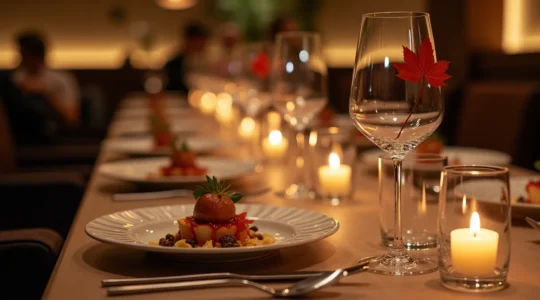
Is the Michelin Tasting Menu in Toronto Worth the $400 Price Tag?
The true worth of a Toronto Michelin-starred dinner isn’t a simple yes or no; it’s a personal value equation you must solve yourself. The price tag extends far beyond the…
Read more
Steakhouse vs. Ranch Dinner: Where to Eat the Best Beef in Alberta?
The quest for authentic Alberta beef isn’t about choosing one place, but understanding two philosophies: the refined culinary craft of the steakhouse and the raw agricultural soul of the ranch….
Read more
How to Buy Lobster Directly from the Wharf in Nova Scotia?
In summary: Lobster availability in Nova Scotia is dictated by regional seasons (LFAs), not the calendar. Don’t expect fresh Halifax lobster in February. For the best value, choose “Market” size…
Read more
How to Experience Montreal and Toronto’s Fine Dining for Under $100 CAD?
Experiencing Canada’s top culinary scenes on a budget isn’t about finding cheap eats; it’s about mastering the hidden systems of “smart luxury.” True value lies in understanding regional differences, like…
Read more