National Parks & Nature
Canada’s national parks and protected natural areas represent some of the most breathtaking and ecologically significant landscapes on the planet. From the dramatic coastal rainforests of British Columbia to the crystalline lakes of the Rockies, and from the rugged Canadian Shield to the marine ecosystems of both coasts, these wild spaces offer experiences that transform casual visitors into lifelong nature enthusiasts. Yet accessing these environments safely and responsibly requires more than just enthusiasm—it demands practical knowledge, respect for natural systems, and an understanding of both the opportunities and challenges these landscapes present.
Whether you’re planning your first backcountry camping trip, hoping to photograph iconic turquoise lakes, seeking meaningful wildlife encounters, or learning to navigate remote waterways, this comprehensive overview will equip you with the foundational knowledge needed to explore Canada’s natural heritage confidently and sustainably. Each theme connects to deeper skills and considerations that will enhance both your safety and your appreciation of these remarkable ecosystems.
Preparing for Canada’s Wilderness Environments
The Canadian wilderness is not a manicured park—it’s a dynamic, sometimes unforgiving environment where self-reliance becomes essential. Think of wilderness preparation like learning a new language: you need both vocabulary (gear and skills) and grammar (knowing when and how to apply them). The difference between an unforgettable adventure and a dangerous situation often comes down to preparation made weeks before you set foot on the trail.
Essential Safety Skills for Remote Forests
Operating without cell service is the default condition in most of Canada’s protected areas, not the exception. Parks Canada estimates that fewer than 15% of backcountry areas in national parks have any mobile coverage. This reality makes traditional navigation skills—map reading, compass use, and landscape interpretation—not just useful but potentially life-saving. Understanding how to select appropriate shelter for specific forest conditions is equally critical, as temperatures can drop dramatically after sunset even during summer months, and weather systems can change with little warning.
Forest fire risk management has become increasingly important as climate patterns shift. Responsible visitors need to understand current fire danger ratings, know how to properly extinguish campfires (the “drown, stir, and feel” method recommended by provincial authorities), and recognize when conditions make any open flame irresponsible, regardless of official permissions.
Dealing with Insects and Wildlife
The infamous Canadian black fly season—typically peaking from late May through early July depending on latitude—can transform a peaceful hike into an ordeal for the unprepared. Understanding the life cycle of biting insects helps you time visits strategically or prepare appropriate defenses. These tiny flies require flowing water for reproduction, meaning riverside campsites during peak season virtually guarantee encounters, while higher, drier elevations or later summer dates significantly reduce exposure.
Wildlife encounters require a different approach. Preventing dangerous situations with bears, moose, and other large mammals begins long before you see an animal. Proper food storage using bear canisters or cache systems, making appropriate noise on trails with limited sightlines, and understanding species-specific behavior patterns creates the foundation for safe coexistence. A moose with a calf, for instance, presents very different risks than a black bear focused on foraging—recognizing these distinctions allows for appropriate responses.
Experiencing Canada’s Iconic Turquoise Lakes
The otherworldly turquoise waters of certain Canadian lakes—a color so vivid it seems digitally enhanced—result from “glacial flour,” the ultra-fine rock particles created as glaciers grind over bedrock. When suspended in water, these particles scatter light in ways that produce those signature electric blues and greens. This geological phenomenon creates some of the country’s most photographed locations, but also presents logistical challenges for visitors hoping to experience them.
Planning Your Visit to Popular Destinations
Canada’s most famous turquoise lakes now operate under reservation and shuttle systems during peak season to manage environmental impact and visitor experience. Securing access to locations like Moraine Lake in Banff National Park, for example, requires advance planning—shuttle reservations often fill within hours of becoming available. Understanding these systems is essential: some operate on a lottery basis, others use first-come-first-served booking windows that open at specific times months in advance.
However, numerous alternative turquoise lakes receive a fraction of the visitor pressure while offering equally stunning vistas. Researching these lesser-known destinations provides opportunities for more contemplative experiences and reduces pressure on overtaxed ecosystems. Parks Canada and provincial park systems maintain detailed information on these alternatives, though finding them requires more initiative than simply following the most popular guidebooks.
Capturing the Perfect Photograph
The intensity and hue of turquoise lake water varies dramatically based on several factors. Water color reaches its most vibrant typically from mid-July through early September, when glacial melt is strongest and sediment concentration peaks. Earlier or later in the season, the same lake may appear significantly less colorful or even gray-green.
Lighting conditions transform these scenes as well. The harsh midday sun that washes out most landscapes can actually intensify the turquoise effect, while the golden hours of sunrise and sunset add warmth that complements the cool water tones. Successful photography often involves arriving before dawn to capture both the quiet solitude and the evolving light conditions—a commitment that separates memorable images from standard snapshots.
Responsible Marine Wildlife Encounters
Canada’s extensive coastlines support extraordinary marine biodiversity, with multiple whale species, orcas, porpoises, seals, and sea lions drawing visitors to both Atlantic and Pacific shores. Yet the popularity of wildlife viewing has created real pressures on these animals, making responsible observation practices both an ethical obligation and, increasingly, a legal requirement.
Understanding Regulations and Ethics
The Marine Mammal Regulations under the Fisheries Act establish specific minimum distance requirements: vessels must remain at least 100 meters from most marine mammals, and 200 meters from whales in certain protected critical habitats. These aren’t arbitrary numbers—research demonstrates that closer approaches alter animal behavior, disrupt feeding and social activities, and create cumulative stress that can affect population health.
Recognizing species behavior helps observers identify when animals are disturbed, even at legal distances. Sudden dives, rapid directional changes, or protective positioning of calves all signal that human presence is causing stress, and the responsible action is to increase distance or move away entirely. Think of it like reading someone’s body language in a conversation—the explicit rules matter, but so does sensitivity to subtle signals.
Choosing the Right Experience
The explosion in whale watching operations means choosing between dozens of operators in popular areas. Responsible operators actively support conservation, employ naturalists who provide educational context, follow established guidelines even when enforcement is unlikely, and contribute to monitoring programs that track population health. Many display certification from organizations like the Pacific Whale Watch Association or have partnerships with research institutions—these affiliations indicate genuine commitment beyond marketing claims.
Land-based whale spotting from coastal vantage points offers a completely impact-free alternative that many visitors overlook. Strategic locations along migration routes or near feeding areas can provide spectacular sightings, particularly during peak seasonal movements, without contributing any disturbance. Parks Canada and provincial park systems often maintain information on prime land-based viewing locations and seasonal timing.
Discovering and Protecting Old-Growth Forests
Old-growth forests—ecosystems containing trees that may be several centuries old—represent living links to ecological conditions that existed before European contact. These forests function fundamentally differently than younger stands, with complex structural layers, unique species assemblages, and nutrient cycling processes that take hundreds of years to develop. British Columbia’s coastal temperate rainforests contain some of the most accessible old-growth remaining in Canada, but these ecosystems exist in fragmented pockets across the country.
Finding Ancient Ecosystems
Certain locations have gained fame for containing particularly impressive specimens—the “Avatar Grove” phenomenon refers to stands where massive old trees create cathedral-like spaces that feel transported from fantasy. These named groves serve an important role in public education, making abstract conservation concepts viscerally real. However, countless smaller old-growth fragments receive no designation or protection, making their identification and advocacy crucial for conservation.
Distinguishing tree species becomes more than academic interest in this context—it connects to understanding age, growth rates, and ecosystem roles. A 500-year-old Western Red Cedar may be only moderately sized due to slow growth in nutrient-poor soils, while a younger Douglas-fir in richer conditions might appear more impressive. Recognizing these distinctions helps visitors appreciate the true significance of what they’re witnessing.
Treading Lightly in Sensitive Areas
The root systems of ancient trees extend far beyond their canopies and sit remarkably close to the surface—often within the top 30 centimeters of soil. These roots have evolved for stability and nutrient absorption in specific soil conditions. Compaction from foot traffic, camping, or off-trail exploration can damage these systems in ways that manifest years later as decline or death. Staying on established trails isn’t just about convenience; it’s about protecting root zones that took centuries to develop.
Visiting old-growth forests during optimal conditions enhances both the experience and conservation outcomes. Timing visits for favorable light—often the filtered conditions of overcast days or the low-angle illumination of early morning—reveals the structural complexity these forests contain. Conversely, understanding how to deal with the rain and mud that characterize these ecosystems (particularly coastal rainforests where annual precipitation can exceed 3,000 millimeters) ensures you’re prepared for conditions that protect these forests as much as they challenge visitors.
Mastering Backcountry Paddling and Portaging
The Canadian Shield’s landscape of interconnected lakes and rivers has supported canoe travel for thousands of years. This vast region of ancient Precambrian rock, scraped by glaciers into countless water bodies, creates opportunities for multi-day paddling expeditions that remain largely unchanged by modernity. Yet accessing this experience requires developing skills that differ fundamentally from day paddling on managed waterways.
The Art of Portaging
Portaging—carrying your canoe and gear overland between water bodies—separates casual paddlers from backcountry travelers. The technique for lifting a canoe safely onto your shoulders involves precise body mechanics that, when done correctly, allow a person of average fitness to carry a 30-kilogram canoe for hundreds of meters. Done incorrectly, the same task risks back injury or equipment damage.
Packing for single carries represents a puzzle of weight distribution, accessibility, and minimalism. The goal is consolidating gear so the entire portage—canoe and all equipment—can be completed in one trip, eliminating the time loss and psychological drain of walking each portage multiple times. This requires ruthless efficiency in gear selection and pack organization, treating every item as either essential or unnecessary weight.
Protecting footwear during portages matters more than many novices anticipate. Portage trails in the Canadian Shield tend toward two extremes: rock slabs worn smooth and slick by countless crossings, or muddy paths where roots create natural obstacles. Footwear that works perfectly in a canoe—drainage-friendly water shoes—becomes dangerous on these surfaces. Developing a system for transitioning between paddling and portaging footwear, and accepting that some dampness is inevitable, prevents both injuries and damaged equipment.
Navigation in Remote Terrain
Poorly marked trails characterize much of Canada’s true backcountry. Unlike maintained parks with signage and groomed paths, remote areas may have navigation markers spaced hundreds of meters apart, faded by weather, or displaced by natural processes. This reality makes map and compass skills non-negotiable, but it also requires developing visual literacy—learning to read the landscape itself for subtle signs of previous travel, understanding how water flows between lakes, and recognizing which routes are likely versus possible based on topography.
The bugs on the trail—especially during the overlapping black fly and mosquito seasons—test mental resilience as much as physical endurance. Effective strategies combine multiple approaches: timing travel for windier conditions when insects are less active, using properly fitted bug nets and treated clothing, and mentally preparing for the reality that some exposure is simply part of the experience. Like cold or rain, biting insects become a condition to manage rather than avoid entirely.
Canada’s national parks and natural areas offer experiences that range from accessible day visits to challenging expeditions requiring specialized skills. Building competence gradually—starting with well-serviced areas and progressively tackling more remote or technically demanding environments—allows you to develop both capabilities and confidence. The rewards of this progression include not just spectacular scenery, but a deeper understanding of the ecological processes, conservation challenges, and historical significance these landscapes represent. As you explore further, each skill area discussed here becomes a doorway to richer, more meaningful engagement with Canada’s natural heritage.
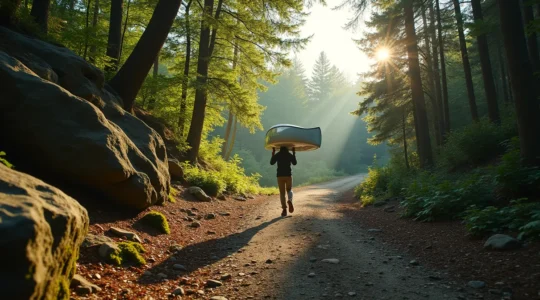
How to Portage a Canoe Solo in Algonquin Park: A Veteran’s Guide to Avoiding Injury
In summary: Master the “Yoke Flip,” a technique using momentum, not just strength, to get the canoe onto your shoulders alone. Treat your gear as a single system. Consolidate everything…
Read more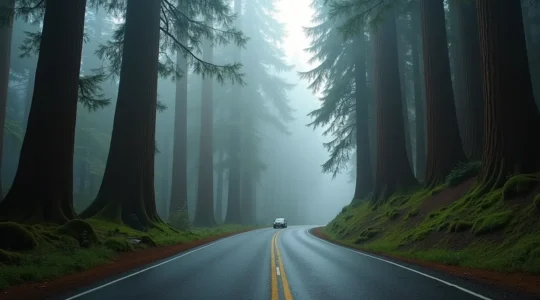
Where to Find Giant Old-Growth Trees on Vancouver Island Accessible by Car?
Seeing Vancouver Island’s giants is possible without deep-woods hiking, but it demands a shift from tourist to steward. Most accessible giants are reached via active or deactivated industrial roads, requiring…
Read more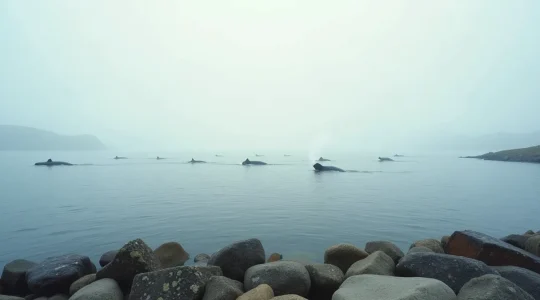
How to Go Whale Watching in the St. Lawrence Without Harassing the Animals?
The key to ethical whale watching is shifting your goal from getting close to the animals to understanding their world and minimizing your impact. Regulations like the 400-metre distance for…
Read more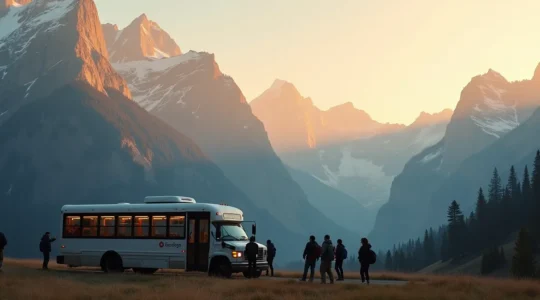
Your Guide to Moraine Lake: How to Visit Now That Private Cars Are Banned
The fantasy of a spontaneous sunrise drive to Moraine Lake is over; accessing it now requires a precise logistical plan. Parks Canada shuttle tickets are the primary access method, but…
Read more
How to Camp in the Boreal Forest During “Bug Season” Without Going Crazy?
Surviving the Canadian bush in June isn’t about finding a magic spray; it’s about a strategic mindset that outsmarts the wild. Insect behaviour is predictable. Understanding their lifecycle is your…
Read more